

Introduction
The relationship between financial technology and telecommunications has become stronger than ever. As more people rely on smartphones for banking, shopping, and payments, telecom companies have evolved beyond providing mobile connectivity. They now play a central role in digital financial services.
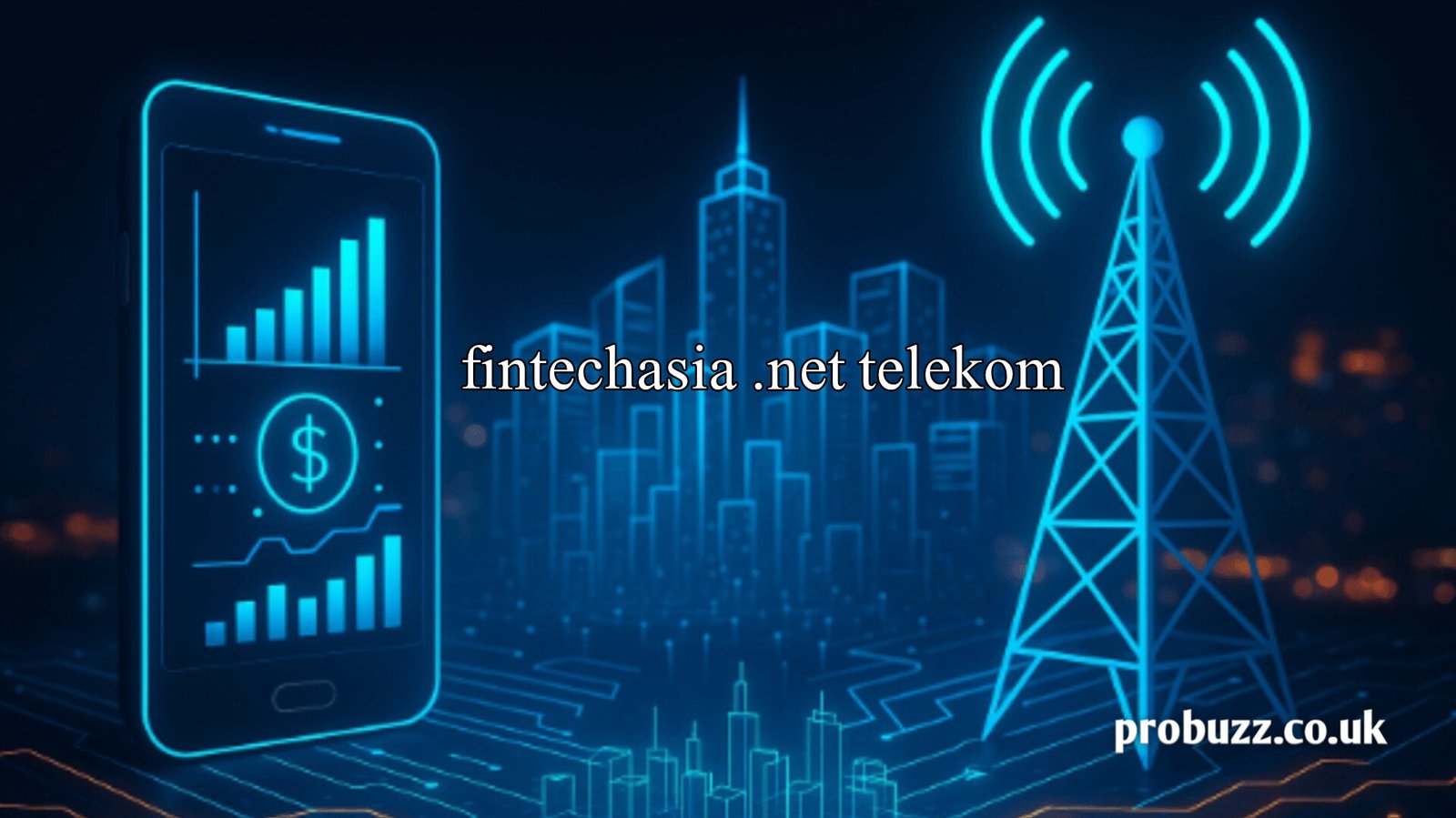
The term FintechAsia .Net Telekom reflects this growing connection between fintech innovation and telecommunications across Asia. Whether you’re a business owner, technology enthusiast, investor, or everyday consumer, understanding how telecom infrastructure supports modern financial services can help you better appreciate the digital economy.
This guide explains what FintechAsia .Net Telekom represents, how fintech and telecom companies work together, the technologies driving innovation, the benefits for consumers and businesses, current challenges, and what the future may hold.
What Is FintechAsia .Net Telekom?
FintechAsia .Net Telekom generally refers to discussions, insights, or resources focused on the intersection of financial technology (fintech) and telecommunications (telekom), particularly within Asian markets.
Rather than treating banking and telecommunications as separate industries, this concept highlights how both sectors collaborate to deliver:
Mobile banking
Digital wallets
Online payment systems
Identity verification
Mobile lending
Financial inclusion
Secure digital transactions
Telecommunications networks provide the infrastructure that allows fintech platforms to function efficiently. Without reliable mobile connectivity and internet access, many digital financial services would simply not exist.
Why Telecom Companies Matter in Fintech
Telecommunication providers already manage millions of customer relationships. They maintain secure customer databases, billing systems, payment channels, and nationwide network coverage.
These existing capabilities make telecom companies valuable partners for fintech businesses.
Some major advantages include:
Large customer bases
Strong digital infrastructure
Secure authentication systems
Mobile payment capabilities
Extensive retail distribution
Customer verification processes
Instead of building everything from scratch, fintech startups often integrate with telecom services to reach users more quickly.
The Growing Role of Mobile Banking
One of the biggest developments in modern finance is mobile banking.
Customers no longer need to visit physical bank branches for everyday financial tasks. Through smartphones, users can:
Transfer money
Pay utility bills
Receive salaries
Save money
Apply for loans
Monitor investments
Telecommunication networks make these services available even in areas where traditional banking infrastructure is limited.
As smartphone adoption continues to increase across Asia, mobile banking usage is expected to grow alongside it.
Digital Wallets and Telecom Integration
Digital wallets have become one of the most visible examples of fintech and telecom collaboration.
Instead of carrying cash, users can pay directly through mobile applications.
Common wallet features include:
Contactless Payments
Customers simply scan QR codes or use NFC technology.
Peer-to-Peer Transfers
Sending money to friends or family becomes almost instant.
Bill Payments
Utility bills, internet subscriptions, and mobile recharges can all be paid digitally.
Online Shopping
Digital wallets simplify e-commerce purchases by reducing checkout time.
Telecom networks ensure these transactions remain fast and reliable.
Financial Inclusion Across Asia
Millions of people throughout Asia remain underserved by traditional banking systems.
Many individuals may have:
No bank account
Limited access to financial institutions
Remote geographic locations
Irregular income documentation
However, many still own mobile phones.
This creates an opportunity for telecom-supported financial services to bridge the gap.
With only a smartphone and internet connection, users can access:
Digital savings
Mobile payments
Small business financing
Insurance products
Government benefit payments
Financial inclusion remains one of the most meaningful outcomes of fintech and telecom partnerships.
Technologies Powering FintechAsia .Net Telekom
Several technologies support this rapidly growing ecosystem.
Artificial Intelligence
AI improves fraud detection, customer support, spending analysis, and credit assessment.
Banks and fintech companies can identify suspicious activity much faster than traditional manual reviews.
Cloud Computing
Cloud platforms allow fintech businesses to expand without investing heavily in physical infrastructure.
Benefits include:
Scalability
Lower operating costs
Faster deployment
Better disaster recovery
Blockchain Technology
Blockchain offers transparent transaction records while reducing opportunities for fraud.
Although adoption varies by region and use case, many financial organizations continue to explore blockchain for payments, identity verification, and cross-border transactions.
Big Data Analytics
Financial institutions analyze customer behavior to improve products, personalize recommendations, and identify potential risks.
Telecom companies generate valuable network and usage data that can complement these insights while respecting privacy and applicable regulations.
Security and Privacy Considerations
As digital finance grows, cybersecurity becomes increasingly important.
Consumers expect their personal and financial information to remain protected.
Key security measures include:
Multi-Factor Authentication
Users confirm their identity through multiple verification methods.
Encryption
Sensitive information remains protected during transmission.
Fraud Monitoring
AI systems continuously monitor unusual account activity.
Identity Verification
Modern KYC (Know Your Customer) processes help prevent identity theft and financial crime.
Organizations must also comply with local privacy laws and industry regulations to maintain customer trust.
How Businesses Benefit
Companies across industries increasingly rely on digital financial services.
Some important benefits include:
Faster Payments
Businesses receive payments more quickly, improving cash flow.
Lower Transaction Costs
Digital payment systems often reduce processing expenses compared to older methods.
Better Customer Experience
Customers appreciate convenient payment options and seamless digital interactions.
Wider Market Reach
Small businesses can serve customers beyond their local communities through online platforms.
Consumer Advantages
Consumers also gain significant value from fintech and telecom integration.
Greater Convenience
Financial services become available anytime through mobile devices.
Improved Accessibility
Users can manage accounts without visiting physical branches.
Faster Transactions
Many digital payments are processed within seconds.
Better Financial Management
Budget tracking, spending insights, and automated savings tools help users make informed decisions.
Challenges Facing the Industry
Despite impressive progress, several challenges remain.
Cybersecurity Threats
Fraudsters constantly develop new attack methods.
Organizations must continually update their security systems.
Regulatory Complexity
Financial regulations differ across countries.
Companies expanding internationally must comply with multiple legal frameworks.
Digital Literacy
Not every user understands digital financial products.
Education remains essential for encouraging safe and confident adoption.
Infrastructure Gaps
Reliable internet access still varies between urban and rural regions.
Continued investment in telecommunications infrastructure is necessary for broader inclusion.
Fintech and Telecom Collaboration
Successful digital financial ecosystems depend on cooperation between multiple stakeholders.
These include:
Telecom providers
Banks
Fintech startups
Payment processors
Government agencies
Cybersecurity firms
Each contributes unique expertise that helps create secure, reliable, and user-friendly financial services.
Future Trends to Watch
The next generation of fintech and telecommunications will likely focus on deeper integration and smarter automation.
Embedded Finance
Financial services will increasingly appear inside non-financial applications.
AI-Powered Personal Finance
Smarter financial assistants may provide personalized budgeting and savings recommendations.
5G Expansion
Faster mobile networks can improve transaction speed, reduce latency, and support more advanced digital services.
Digital Identity
Secure digital identity systems may simplify customer onboarding while strengthening fraud prevention.
Cross-Border Payments
Improved international payment infrastructure could make overseas transfers faster and more affordable.
Choosing Reliable Digital Financial Services
Consumers should carefully evaluate financial platforms before using them.
Consider the following factors:
Strong security features
Transparent pricing
Regulatory compliance
Positive customer reputation
Reliable customer support
Easy-to-use mobile applications
Taking time to compare services can reduce risk and improve the overall experience.
Conclusion
The growing relationship between fintech and telecommunications is transforming how people access and manage financial services. FintechAsia .Net Telekom highlights this important convergence, where reliable mobile networks, secure digital infrastructure, and innovative financial technologies work together to create more accessible and efficient services.
As smartphones become the primary gateway to banking for millions of users, collaboration between telecom providers and fintech companies will continue to shape the future of digital finance. While cybersecurity, regulation, and digital literacy remain ongoing challenges, the opportunities for greater financial inclusion, faster payments, and improved customer experiences are significant.
For consumers, businesses, and technology professionals alike, understanding this evolving landscape provides valuable insight into the future of connected financial services across Asia and beyond.
Visit also : probuzz.co.uk
What is FintechAsia .Net Telekom?
FintechAsia .Net Telekom refers to content and discussions surrounding the integration of financial technology and telecommunications, particularly within Asian digital finance ecosystems.
Why are telecom companies important for fintech?
Telecom companies provide the connectivity, authentication systems, and customer reach needed for mobile banking, digital payments, and other financial services.
How does telecom infrastructure support mobile banking?
Telecom networks enable secure internet access, SMS verification, mobile applications, and real-time financial transactions across smartphones.
Is digital finance secure?
Digital finance can be secure when providers implement encryption, multi-factor authentication, fraud monitoring, and regulatory compliance. Users should also follow good security practices, such as using strong passwords and enabling account protections.
What technologies drive fintech innovation?
Artificial intelligence, cloud computing, blockchain, big data analytics, and 5G connectivity are among the key technologies shaping modern fintech services.
