


Introduction
Searching for the best humita en chala near me usually means you’re craving one of South America’s most comforting traditional foods. Wrapped in fresh corn husks and filled with a creamy corn mixture, humita en chala combines simple ingredients with generations of culinary tradition.
Whether you’re visiting an Argentine, Bolivian, Chilean, Ecuadorian, or Peruvian community, finding authentic humita is easier when you know what to look for. From local family-owned restaurants to weekend markets and cultural festivals, the best humita often comes from places that prepare it fresh using seasonal corn.
This guide explains what makes great humita en chala, where to find it, how to recognize authentic preparation, and what to expect before ordering.
What Is Humita en Chala?
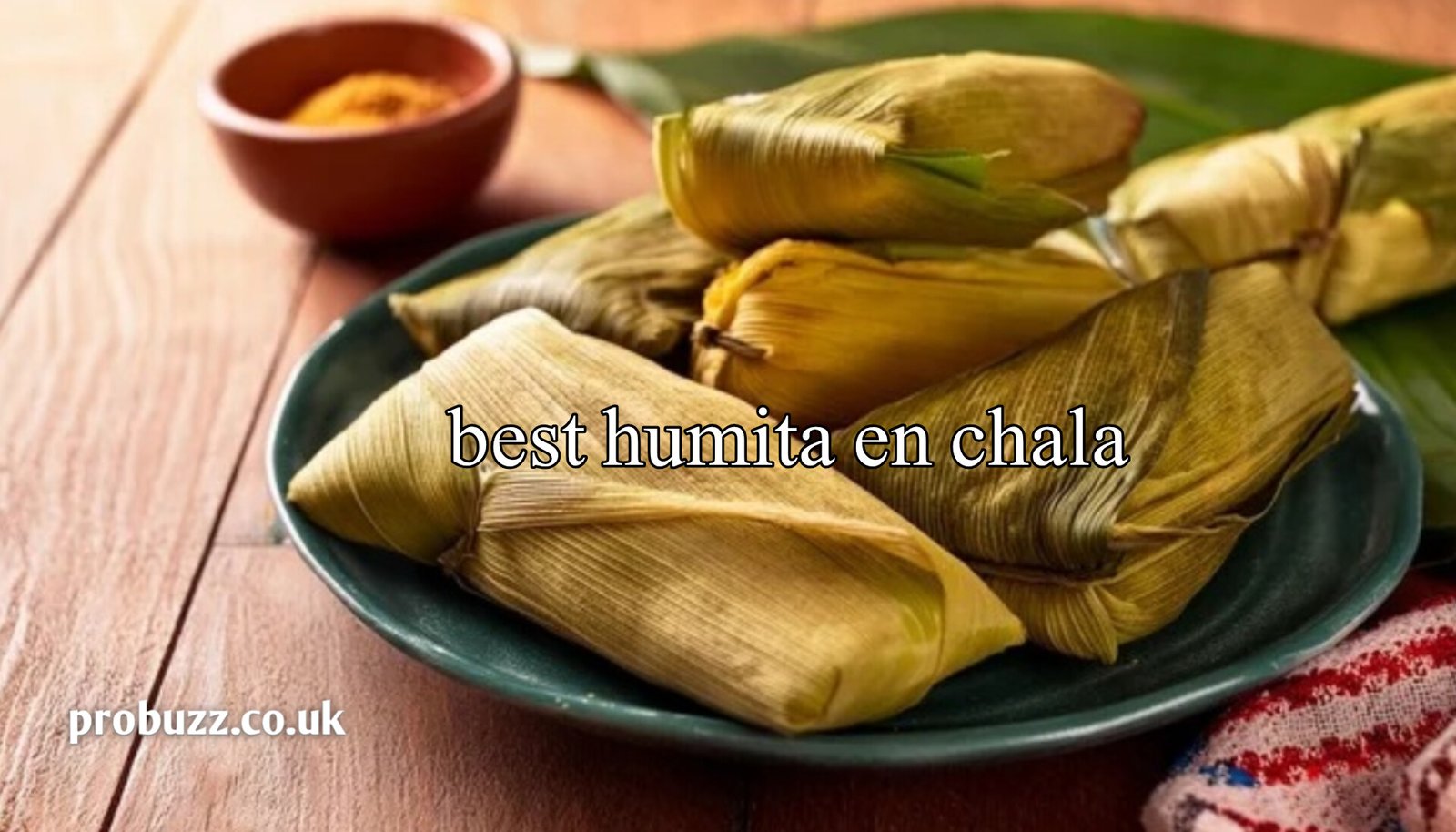
Humita en chala is a traditional dish made from freshly grated sweet corn mixed with ingredients such as onions, butter or oil, milk, cheese, herbs, and seasonings. The mixture is wrapped inside corn husks—known as chala—before being steamed or boiled until tender.
Although recipes differ by country and family tradition, the basic preparation remains remarkably similar throughout the Andes and neighboring regions.
Some versions are:
Sweet with sugar and cinnamon
Savory with cheese
Creamier with milk
Firmer with fresh corn kernels
Mildly spicy depending on regional preferences
The result is a soft, aromatic package that celebrates the natural sweetness of fresh corn.
Why People Search for the Best Humita en Chala Near Me
Unlike many everyday dishes, humita is often seasonal and handmade. It isn’t available at every Latin American restaurant, making local searches especially useful.
Common reasons people search include:
Wanting authentic South American food
Looking for homemade recipes without cooking themselves
Finding traditional festival foods
Exploring regional Latin American cuisine
Discovering highly rated local restaurants
Because fresh corn is a key ingredient, many restaurants feature humita only during certain months.
Where to Find the Best Humita en Chala Near You
Authentic South American Restaurants
Family-owned restaurants specializing in Argentine, Bolivian, Chilean, Ecuadorian, or Peruvian cuisine often prepare humita using traditional recipes.
These establishments usually make the dish fresh instead of relying on frozen products.
Look for restaurants that mention:
Homemade specialties
Traditional recipes
Seasonal menus
Regional cuisine
Latin American Markets
Many Latin grocery stores include prepared foods alongside imported ingredients.
Weekend vendors frequently sell freshly steamed humitas wrapped in corn husks, especially during holidays and cultural celebrations.
Fresh preparation is often a good sign of quality.
Farmers Markets
Communities with strong Latin American populations sometimes feature food vendors selling handmade humitas.
Farmers markets offer several advantages:
Fresh local corn
Small-batch preparation
Opportunity to ask about ingredients
Seasonal specialties
Cultural Festivals
South American festivals are excellent places to discover authentic humita.
Food vendors often prepare traditional recipes passed down through generations, giving visitors a chance to enjoy regional variations that may not appear on restaurant menus.
Home-Based Food Businesses
Many talented home cooks legally operate licensed food businesses in areas where regulations allow.
These small businesses often advertise through community groups or local marketplaces and frequently specialize in homemade traditional dishes.
How to Identify High-Quality Humita en Chala
Not every humita tastes the same. Paying attention to a few details can help you find the best version.
Fresh Corn Flavor
Excellent humita should highlight the natural sweetness of fresh corn.
Artificial sweetness or excessive seasoning usually masks the primary ingredient rather than enhancing it.
Moist but Firm Texture
Good humita isn’t dry or watery.
Instead, it should be:
Soft
Creamy
Moist
Easy to cut with a fork
Well wrapped inside the husk
Fresh Corn Husks
The corn husk should remain intact after steaming.
Fresh husks help preserve moisture while adding subtle aroma during cooking.
Balanced Seasoning
Traditional recipes rarely overwhelm the corn.
Instead, cheese, onions, basil, cumin, or paprika gently complement the main ingredient.
Popular Regional Variations
Argentine Humita
Argentina often serves savory humita containing:
Fresh corn
Onion
Milk
Cheese
Butter
Mild spices
It’s commonly wrapped in corn husks before steaming.
Chilean Humita
Chilean recipes often include:
Fresh basil
Onion
Lard or butter
Corn paste
Many families enjoy humitas with fresh tomato salad during summer.
Ecuadorian Humita
Ecuadorian humitas can be sweeter and frequently contain:
Cheese
Cornmeal
Milk
Eggs
Baking powder
Some versions are steamed instead of boiled.
Bolivian Humita
Bolivian recipes range from savory to sweet.
Popular additions include:
Fresh cheese
Raisins
Cinnamon
Sugar
What Does Humita en Chala Taste Like?
The flavor is comforting and naturally sweet without resembling dessert.
Expect:
Fresh corn aroma
Creamy texture
Mild buttery notes
Light herbal flavors
Soft melted cheese in savory versions
Each bite delivers simple ingredients working together rather than competing for attention.
What to Order with Humita
Many restaurants pair humita with complementary dishes.
Popular choices include:
Grilled meats
Empanadas
Fresh tomato salad
Roasted vegetables
Chimichurri
Herbal tea
Fresh juice
These combinations create a satisfying meal without overpowering the delicate corn flavor.
Tips for Finding the Best Humita en Chala Near Me
Read Recent Reviews
Customer reviews often mention:
Freshness
Portion size
Authentic flavor
Homemade preparation
Friendly service
Recent reviews usually provide the most accurate picture.
Call Before Visiting
Because humita requires time to prepare, some restaurants only offer it on specific days.
A quick phone call can save disappointment.
Ask About Homemade Preparation
Freshly made humita generally has:
Better texture
Richer aroma
Softer consistency
More vibrant corn flavor
Many restaurants are happy to explain how their humitas are prepared.
Visit During Corn Season
Fresh seasonal corn produces the best flavor.
Restaurants often highlight humita during harvest months when ingredients are at their peak.
Homemade vs Restaurant Humita
| Homemade | Restaurant |
|---|---|
| Traditional family recipes | Consistent preparation |
| Fresh seasonal ingredients | Convenient dining |
| Flexible ingredients | Professional presentation |
| Time-consuming | Ready to enjoy immediately |
Both options can be excellent depending on the cook and ingredients.
Can You Freeze Humita?
Yes.
Properly wrapped humita freezes well for several weeks.
To reheat:
Thaw overnight in the refrigerator.
Steam gently until heated through.
Avoid microwaving for extended periods, as it may affect texture.
Serve immediately.
Steaming helps preserve moisture better than dry heating methods.
Common Mistakes When Ordering Humita
Avoid these common assumptions:
Assuming Every Latin Restaurant Serves It
Many Mexican or Caribbean restaurants don’t include humita on their menus because it belongs primarily to South American cuisine.
Expecting Tamale Texture
Although both foods are wrapped in corn husks, humita is generally creamier and softer than many tamales.
Ignoring Seasonal Availability
Fresh corn significantly improves flavor, so availability may vary throughout the year.
Why Humita Remains a Beloved Traditional Dish
Humita has remained popular for centuries because it transforms simple ingredients into something comforting and memorable.
Families continue preparing it for celebrations, holidays, and weekend meals, preserving regional traditions through recipes passed from one generation to the next.
Its appeal lies not in elaborate techniques but in fresh ingredients and careful preparation.
Conclusion
If you’re searching for the best humita en chala near me, focus on places that value traditional preparation, fresh ingredients, and authentic South American flavors. Family-owned restaurants, Latin markets, farmers markets, and cultural festivals often provide the most memorable experiences. By checking reviews, asking about homemade preparation, and visiting during fresh corn season, you’ll have a much better chance of enjoying humita at its finest. Whether you prefer a savory version filled with cheese or a sweeter regional variation, this classic corn dish offers a delicious taste of South America’s rich culinary heritage.
Visit also : probuzz.co.uk
What is humita en chala made of?
Traditional humita en chala is made with fresh grated corn, onions, cheese, milk or cream, butter or oil, herbs, seasonings, and corn husks used for wrapping before steaming.
Is humita sweet or savory?
Both versions exist. Many recipes are savory with cheese and onions, while others include sugar and cinnamon for a sweeter flavor.
Is humita the same as a tamale?
No. Although both are wrapped in corn husks, tamales are typically made with masa, while humita uses freshly grated corn, giving it a creamier texture and sweeter corn flavor.
Where can I find the best humita en chala near me?
Look for authentic South American restaurants, Latin American grocery stores with prepared foods, farmers markets, cultural festivals, and licensed home-based food businesses in your area.
Can vegetarians eat humita?
Many versions are vegetarian, especially those made with cheese, vegetables, and butter. However, some traditional recipes use animal fat, so it’s worth asking before ordering.
Is humita gluten-free?
Most traditional recipes are naturally gluten-free because they rely on fresh corn. Still, if you have celiac disease or a gluten sensitivity, confirm ingredients and preparation methods with the restaurant to avoid cross-contamination.
