


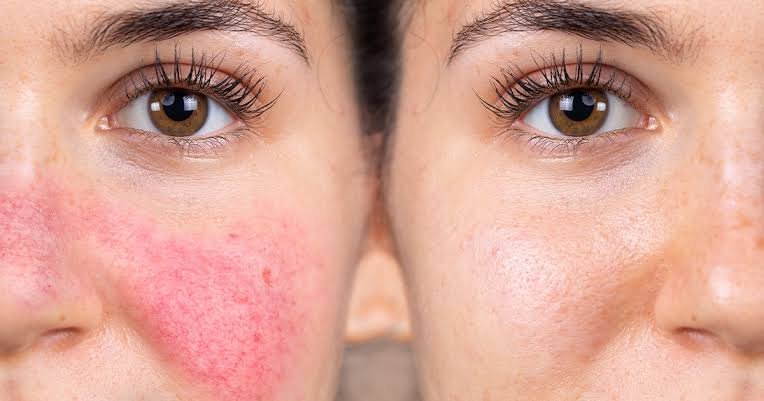
Rosacea is a common chronic skin condition that primarily affects the face, causing persistent redness, visible blood vessels, and occasional bumps that resemble acne. While there is no permanent cure for rosacea, the condition can often be managed successfully with a combination of proper skincare, healthy lifestyle habits, and medical treatment when necessary.
One of the biggest challenges for people living with rosacea is controlling facial redness. Fortunately, adopting the right daily routine can help minimize flare-ups and improve the skin’s overall appearance. This guide explores effective rosacea redness treatment strategies and explains the Daily Habits That Help Reduce Facial Redness naturally and consistently.
Understanding Rosacea
Rosacea is a long-term inflammatory skin condition that most commonly affects adults over the age of 30. Although the exact cause remains unknown, researchers believe genetics, immune system responses, environmental factors, and abnormal blood vessel activity all contribute to its development.
Common symptoms include:
- Persistent facial redness
- Flushing episodes
- Visible tiny blood vessels
- Red bumps and pimples
- Burning or stinging sensations
- Dry, sensitive skin
- Eye irritation in some cases
Symptoms often come and go, with flare-ups triggered by certain environmental or lifestyle factors.
Why Facial Redness Occurs
Facial redness is one of the hallmark signs of rosacea. It occurs because blood vessels near the surface of the skin become enlarged and more reactive to various triggers.
These triggers may include:
- Heat
- Cold weather
- Sun exposure
- Spicy foods
- Alcohol
- Emotional stress
- Hot beverages
- Vigorous exercise
- Certain skincare products
Identifying personal triggers is one of the most important steps in managing rosacea.
Build a Gentle Skincare Routine
A gentle skincare routine helps protect the skin barrier and reduce irritation.
Choose products that are:
- Fragrance-free
- Alcohol-free
- Non-comedogenic
- Designed for sensitive skin
A basic routine should include:
- Gentle cleanser
- Lightweight moisturizer
- Broad-spectrum sunscreen
- Prescribed treatment if recommended
Avoid harsh exfoliants, scrubs, and products containing strong acids unless advised by a dermatologist.
Daily Habits That Help Reduce Facial Redness
Developing healthy daily routines is one of the most effective long-term approaches to managing rosacea. These Daily Habits That Help Reduce Facial Redness can significantly reduce flare-ups and improve skin comfort:
- Wash your face with lukewarm water.
- Apply moisturizer twice daily.
- Wear sunscreen every morning.
- Avoid rubbing or scrubbing your skin.
- Stay hydrated throughout the day.
- Use gentle, fragrance-free skincare products.
- Protect your face from extreme temperatures.
- Remove makeup carefully before bed.
- Get enough sleep every night.
- Practice stress-management techniques.
These small habits may seem simple, but when followed consistently, they can make a noticeable difference in controlling facial redness.
Always Wear Sunscreen
Sun exposure is one of the most common rosacea triggers.
Daily sunscreen use helps prevent flare-ups and protects sensitive skin from harmful ultraviolet rays.
Choose:
- SPF 30 or higher
- Broad-spectrum protection
- Mineral sunscreens containing zinc oxide or titanium dioxide
- Formulas made for sensitive skin
Reapply sunscreen every two hours if spending extended time outdoors.
Identify Your Personal Triggers
Rosacea affects everyone differently.
Keeping a symptom journal can help identify specific triggers that worsen redness.
Common triggers include:
- Hot weather
- Wind
- Emotional stress
- Hot showers
- Caffeine
- Spicy meals
- Alcoholic beverages
- Intense exercise
Once identified, many triggers can be reduced or avoided.
Eat a Skin-Friendly Diet
Although no single diet cures rosacea, healthy eating supports overall skin health.
Focus on foods such as:
- Fresh fruits
- Leafy vegetables
- Whole grains
- Lean proteins
- Healthy fats
- Omega-3-rich fish
Some individuals find it helpful to limit foods that trigger flushing, including spicy dishes, very hot drinks, and excessive alcohol.
Maintaining a balanced diet also supports overall health and reduces inflammation.
Manage Stress Effectively
Stress is a frequent trigger for rosacea flare-ups.
Finding healthy ways to manage stress may reduce facial redness over time.
Helpful techniques include:
- Meditation
- Deep breathing exercises
- Yoga
- Walking outdoors
- Reading
- Listening to calming music
- Spending time with loved ones
Even a few minutes of relaxation each day can benefit both emotional well-being and skin health.
Keep Your Skin Moisturized
A damaged skin barrier can worsen redness and irritation.
Moisturizers help:
- Lock in hydration
- Reduce dryness
- Strengthen the skin barrier
- Improve comfort
Apply moisturizer immediately after cleansing while the skin is still slightly damp for better absorption.
Exercise Without Triggering Flare-Ups
Regular exercise benefits overall health but may temporarily increase facial redness.
Reduce flare-ups by:
- Exercising in cool environments
- Staying hydrated
- Taking breaks when needed
- Choosing lower-intensity activities
- Cooling your face afterward
Walking, swimming, and gentle cycling are often well tolerated by people with rosacea.
Medical Treatments for Rosacea Redness
Lifestyle changes alone may not fully control rosacea.
Healthcare providers may recommend treatments such as:
- Prescription topical creams
- Oral antibiotics
- Laser therapy
- Intense pulsed light (IPL) treatments
These therapies can help reduce redness, inflammation, and visible blood vessels.
Always consult a qualified healthcare professional before starting treatment.
Common Mistakes to Avoid
Certain habits may unintentionally worsen rosacea symptoms.
Avoid:
- Using harsh facial scrubs
- Washing with very hot water
- Skipping sunscreen
- Trying too many new skincare products at once
- Over-cleansing the skin
- Picking or scratching irritated areas
- Ignoring recurring flare-ups
Gentle, consistent care usually provides the best long-term results.
When to See a Dermatologist
Professional evaluation is recommended if:
- Redness becomes persistent.
- Flare-ups become more frequent.
- Eye symptoms develop.
- Over-the-counter products fail.
- Symptoms interfere with daily life.
A dermatologist can develop a personalized treatment plan based on your skin type and symptom severity.
Long-Term Success With Rosacea Management
Rosacea requires ongoing care rather than short-term treatment.
Long-term success depends on:
- Consistent skincare
- Daily sunscreen use
- Trigger avoidance
- Healthy lifestyle habits
- Following medical advice
- Regular skin monitoring
With patience and the right routine, many individuals successfully manage their symptoms and maintain healthier-looking skin.
Conclusion
Rosacea redness treatment involves more than simply applying skincare products. A combination of gentle cleansing, daily sun protection, proper hydration, trigger avoidance, and healthy lifestyle choices forms the foundation of long-term symptom control. By following the Daily Habits That Help Reduce Facial Redness and working closely with a healthcare provider when needed, individuals with rosacea can reduce flare-ups, improve skin comfort, and enjoy greater confidence in their appearance. Consistency is the key to healthier skin and lasting results.
